

How AI Solutions Re-Engineered Lesion Detectionin Endoscopy and Imaging
To help healthcare providers improve diagnostic efficiency and patient outcomes, VNPT has developed a comprehensive AI ecosystem for diagnostic imaging and endoscopy. The solution leverages AI to automate lesion detection, streamline clinical workflows, reduce fatigue-related errors, and deliver highly accurate diagnostic support.
Key outcomes

Diagnostic Performance
Sensitivities ranging from 16% to 100%, paired with specificity of 87%-95.5%.

Processing Speed
Real-time endoscopic execution at 35 fps with near-zero system latency.

Clinical Efficiency
Workflow durations shortened by 20–50%, alongside fewer fatigue-related errors.

Validation & Deployment
Verified through independent trials and real-world deployment at Hanoi Post Office Hospital.

Clinical Impact
Serving as an indispensable secondary consultation mechanism that improves diagnostic precision.

The challenge
Facing the shortage of specialized medical personnel and global disparities in medical imaging diagnosis.
The global shortage of specialized healthcare personnel remains critical, with the WHO projecting a shortfall of approximately 10 million workers by 2030, primarily concentrated in low- and middle-income countries. Radiologist density is about 1.9 per million population in low-income countries compared with 97.9 per million in high-income countries, representing a nearly 50-fold disparity.
What VNPT did
VNPT Pioneered Advanced AI Technology to Transform Healthcare Diagnostics
To overcome workforce scarcity and optimize diagnostic fidelity, VNPT has engineered an AI ecosystem spanning diagnostic imaging and gastrointestinal endoscopy across three foundational pillars.
Chest Imaging AI (X-ray and CT)
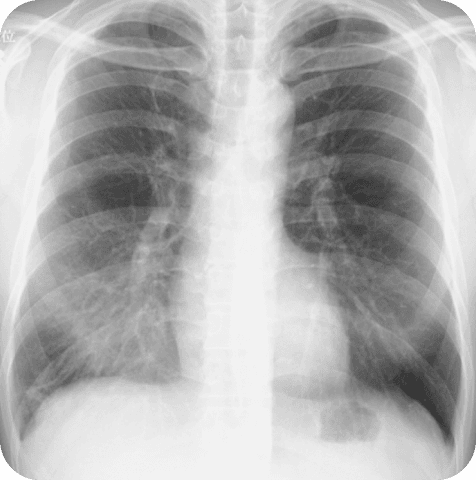
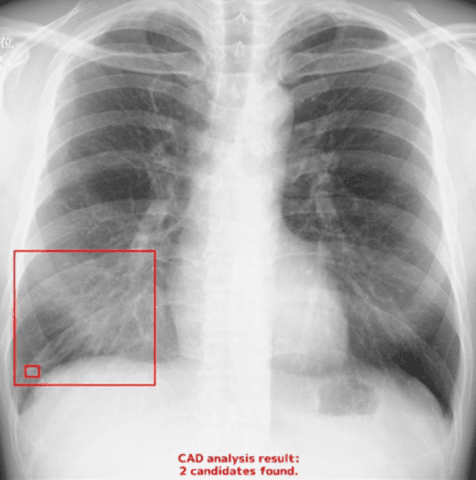
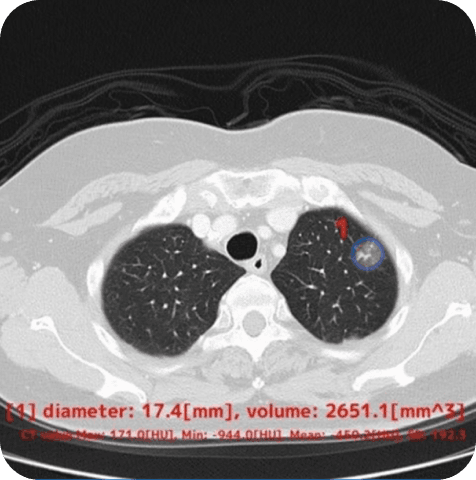
- End-to-End Chest X-ray Triage: Automated detection of critical pulmonary abnormalities including nodules, infiltrates, consolidation, and interstitial opacities. Simultaneously quantifies key morphologic indices: pneumothorax extent, cardiothoracic ratio (CTR), mediastinal width, aortic arch diameter, and costophrenic angle integrity.
 With AI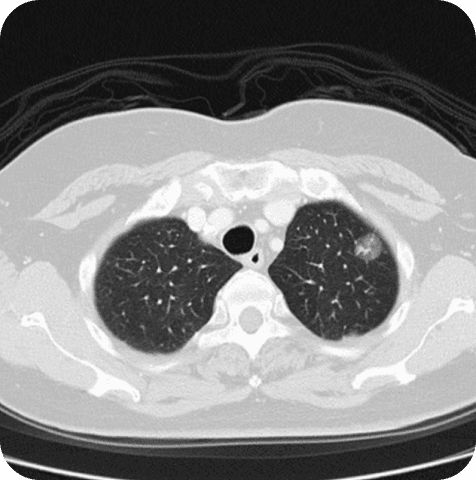
 With AI
Real-Time Gastrointestinal Endoscopy AI
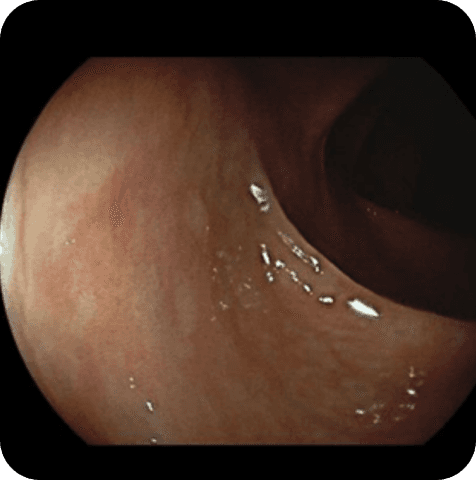
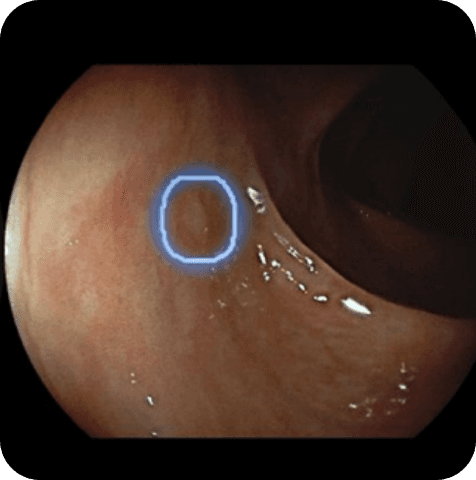
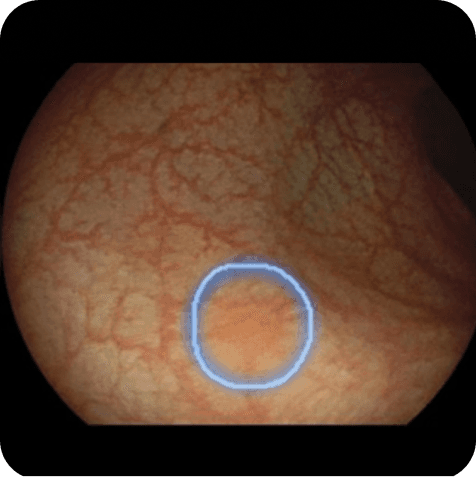
- Gastric Endoscopy AI: Real-time localization and visual bounding of suspicious mucosal lesions (inflammation, ulcers, metaplasia) at processing rates up to 35 frames per second.
- Colorectal Colonoscopy AI: Real-time auditory and visual alerting for polyps and precancerous lesions, significantly boosting detection yields in anatomical folds and blind spots.
 With AI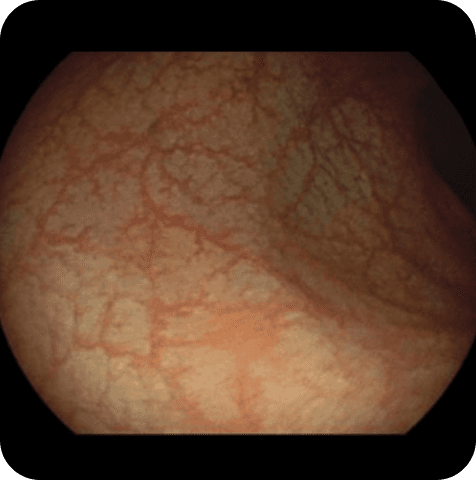
 With AI
Visual evidence illustrating the difference when using AI in endoscopy.
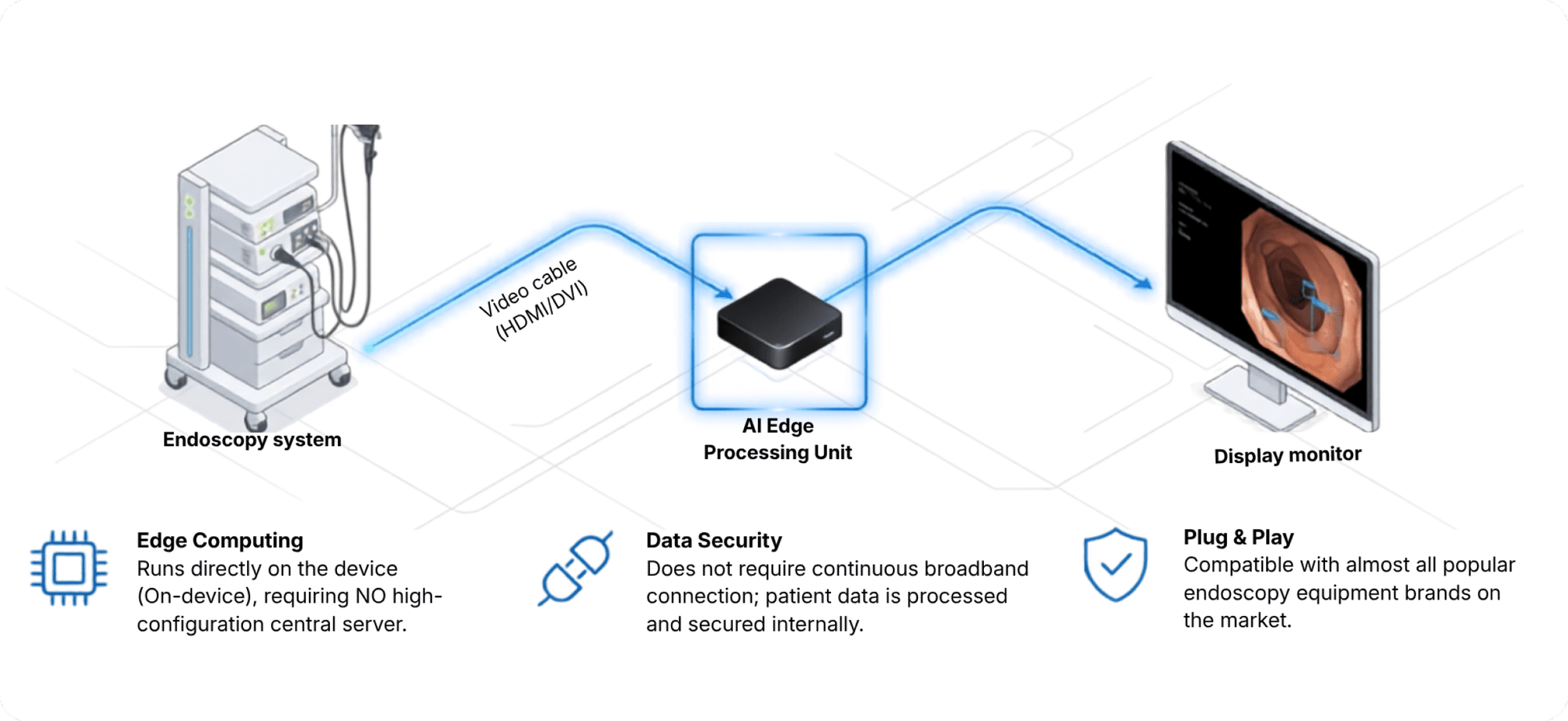
100% on-premises deployment and multi-device integration mechanism.

The integration of AI into chest imaging and gastrointestinal endoscopy significantly enhances diagnostic precision, minimizing the risk of overlooked abnormalities and facilitating timely clinical interventions.
Result
Superior Performance and Real-World Evidence
- VNPT's AI solutions have proven their reliability through rigorous benchmark testing and real-world clinical deployment.
- At Hanoi Post Office Hospital, integrating the AI solution elevated anomaly detection accuracy to 95%-99%, reduced human-induced diagnostic errors by approximately 30%, saved 15%-25% in healthcare delivery costs, and significantly alleviated the operational burden on specialist departments.
Figure 1. Sensitivity stratification of VNPT AI chest X-ray comparison across varying levels of lesion obscurity, demonstrating robust performance on subtle clinical abnormalities.
Obtained Results
Optimized detection of minute lesions; critical support for junior clinicians and primary care.
Clinical Impact
Mitigation of early-stage diagnostic omissions.
Obtained Results
Precise volumetric, diametric, and HU quantification of solid, sub-solid, and GGO lesions.
Clinical Impact
Streamlining low-dose lung cancer screening protocols.
Obtained Results
Sustains 35 fps execution with negligible latency.
Clinical Impact
Accurate identification of diminutive mucosal lesions and subtle ulcerations.
Obtained Results
Accurate boundary delineation and polyp warning across anatomical folds.
Clinical Impact
Enhanced polyp adenoma detection rate, preventing colorectal malignancy.
Diagnostic Accuracy
Subjective assessment; susceptible to diagnostic omissions of subtle lesions due to operator fatigue or experience constraints.
Diagnostic Accuracy
Superior sensitivity and specificity (Gastric: 94.5%, Colorectal: >93.2%); significantly minimizes early-stage diagnostic oversights.
Speed & Processing
Labor-intensive manual observation, volumetric/metric measurement, and exhaustive frame sequence review.
Speed & Processing
Real-time processing at ultra-high speeds (35 fps) providing instantaneous visual alerts with negligible latency.
Clinical Support
Primary care physicians and junior clinicians encounter substantial challenges with complex or ambiguous pathologies.
Clinical Support
Functions as an objective "co-pilot," assisting with boundary delineation and standardizing diagnostic quality across all medical tiers.
Workflow & Infrastructure
Relies on manual record management, presenting delays in archiving and retrieval.
Workflow & Infrastructure
Features flexible on-premises deployment, ensuring absolute data privacy and on-device execution independent of continuous internet bandwidth.
Concluding Remarks
Synthesis of Clinical Impact and Future Trajectory
Integrating VNPT's AI ecosystem into clinical workflows successfully mitigates critical healthcare challenges, including congestion, specialist shortages, and operator fatigue. Operating as an indispensable clinical second opinion, the technology delivers high diagnostic reliability and real-time efficiency to optimize screening productivity. Future developments with expanded neural imaging modules and broader lesion taxonomies will further advance health-tech capabilities and drive sustainable digital healthcare transformation for healthcare providers in Vietnam and global markets.
Tell Us Your Challenges